
Safer Internet Day 2026: AI Safety Guide for Smart Choices

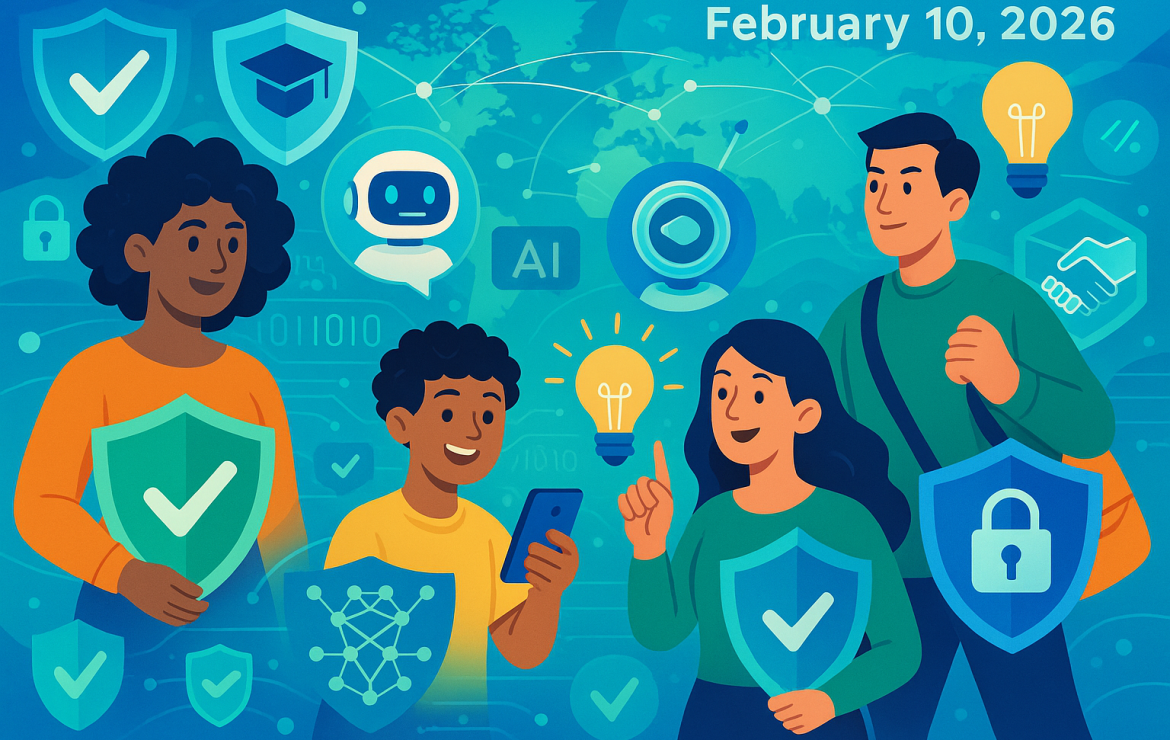
Safer Internet Day 2026: Smart Tech, Safe Choices – Why This Year Matters More Than Ever
Introduction
Hook
Artificial intelligence is now a constant companion in daily life—from the chatbots guiding homework to recommendation engines shaping what people watch, buy, and believe. As of today, February 10, 2026, AI-driven activity online has reached unprecedented levels, bringing incredible opportunities but also intensifying digital risks. This moment marks a turning point in how society must approach online safety, digital responsibility, and AI literacy.
Brief Overview
Safer Internet Day 2026 unites nearly 170 countries in a global commitment to a safer, more responsible digital world. This year’s theme, “Smart tech, safe choices – Exploring the safe and responsible use of AI” places AI at the forefront of international conversations about cyber safety. From schools and households to governments and major tech industries, the initiative reflects a world grappling with AI’s rapid integration into everyday life.
Thesis Statement
Safer Internet Day 2026 stands out as one of the most crucial editions in its 22‑year history. The explosive rise of generative AI, escalating cyber threats, and the growing digital participation of both young people and adults make this year’s focus on responsible AI use timely—and essential.
Background and Context
Historical Origins
Safer Internet Day originated from the EU SafeBorders initiative in 2004 and later expanded through the Insafe network in 2005. What began as a regional European effort quickly developed into a worldwide movement embraced by educators, governments, technology companies, and civil society organizations.
Evolution to the AI Era
Since 2013, ConnectSafely has served as the official US coordinator, promoting the campaign “Together for a better internet.” Over time, Safer Internet Day evolved from focusing on general online dangers to addressing youth-centered digital well‑being, misinformation, cyberbullying, and now—in 2026—the safe and ethical use of artificial intelligence.
Current Relevance
AI adoption has escalated across nearly every online service. Chatbots, voice assistants, recommendation algorithms, and automated content generators are embedded into platforms used by billions. Alongside these benefits, the online world now faces:
- A surge in AI-generated phishing
- Increasingly realistic deepfakes
- Unverified or misleading AI outputs
These factors underscore why the 2026 theme centers on smart tech and safe choices.
Main Body
Key Concepts for Safer Internet Day 2026
Responsible AI Use
Users now rely on chatbots for learning, productivity, and creativity. However, understanding limitations—such as hallucinations, outdated data, or biased responses—is essential. Safe prompting, recognizing manipulative outputs, and protecting personal data remain at the core of AI‑responsible use.
Ethical Digital Behaviors
As AI amplifies both good and bad content, individuals must develop stronger digital ethics. This includes verifying sources, resisting harmful manipulation, being mindful about data-sharing, and understanding that AI-generated content can be weaponized for scams or misinformation.
Youth Empowerment
Young people are among the most active digital consumers. Equipping them with confidence, resilience, and practical skills—at home, school, and online—is vital for safe navigation of AI‑enhanced tools and social platforms.
Latest Statistics
Online Consumer Behavior
In Q1 2025, 68% of people aged 16–24 purchased goods online, yet 27% reported problems, ranging from scams to misleading ads. This highlights the need to blend consumer education with digital responsibility.
Cybercrime Escalation
Generative AI has turbocharged cybercrime. Phishing increased by 1,265%, with phishing now representing 40% of all email threats. Alarmingly, 90% of cybersecurity incidents still trace back to basic human error, such as weak passwords or misinterpreted AI‑generated content.
Global Attack Trends
Organizations experienced a 30% increase in cyber attacks in Q2 2024, averaging 1,636 weekly attacks per organization. Meanwhile, data breaches doubled over a decade, exposing 2.6 billion records.
Child Safety Trends
In 2026, 61% of parents reported receiving alerts about strangers trying to contact their children through online games—an issue worsened by AI-enabled fake profiles and real-time translation tools.
UK Online Safety Act Impact
The UK witnessed major improvements:
- 8 million adult-site visits per day now undergo mandatory age checks
- Pornographic content traffic dropped by 33%
- Child encounters with age verification rose from 30% to 47%
These shifts demonstrate the impact of policy on digital safety.
Expert Opinions
The UK Safer Internet Centre emphasizes that responsible AI use is essential for protecting personal data and maintaining trust in digital systems.
ConnectSafely highlights that technology should empower users to make informed, responsible choices online, especially as AI reshapes interactions.
According to GOV.UK/DSIT, young people are excited by AI but require clear guidance to navigate risks responsibly.
Case Study: Internet Safe & Fun Workshops (2026)
In 2026, the Internet Safe & Fun program reached 9,000 young people aged 10–12. Workshops covered safe use of TikTok, Snapchat, Instagram, and Roblox while emphasizing:
- Positive, creative engagement
- Awareness of deceptive AI‑generated content
- Recognizing suspicious behaviors and manipulative designs
These workshops demonstrate how education directly empowers safer digital participation.
Trends and Future Projections
AI-Driven Threat Evolution
Cybercriminals now deploy AI to create realistic deepfakes, synthetic identities, and adaptive phishing attacks. These threats evolve too quickly for traditional tools, increasing demand for AI oversight and detection technologies.
Psychological & Social Manipulation
Algorithms can target people emotionally with tailored misinformation or persuasive content. Emotional targeting—amplified by generative AI—poses significant risks for vulnerable groups, including teenagers.
Future Outlook
Expect:
- More AI ethics and safety education
- Stronger industry regulations
- Expanded enforcement under frameworks like the UK Online Safety Act
Impact Analysis
Societal Impact
Safer Internet Day encourages digital confidence across age groups and drives large-scale educational participation. Children and teens gain valuable skills to interpret and question AI-generated content.
Industry Impact
Companies invest more heavily in:
- Verification systems
- Encryption
- Employee training in AI literacy and cyber threat awareness
Educational Impact
Schools worldwide tap into new 2026 resource packs focusing on chatbots, AI ethics, and model transparency, helping classrooms integrate AI responsibly.
Comparative Analysis
Cybersecurity Awareness Month
Covers broader security issues but lacks the youth and AI-focused lens of Safer Internet Day.
Data Privacy Week
Centered more on legal compliance and privacy rights rather than daily ethical behaviors or practical AI safety.
Internet Safety Month
Broad family-oriented approach, but without the concentrated global impact or AI-specific content.
Controversies and Debates
AI’s dual role sparks debate: While AI enables efficiency and innovation, it also magnifies risks such as deepfake‑driven mistrust and algorithmic manipulation. With 90% of cyber incidents linked to human error, many argue education must outpace technological enforcement.
How To: Practical Guidance for 2026
Teaching Children to Recognize AI-Manipulated Content
Help children detect manipulative AI content by looking for emotional red flags—urgency, fear, or excessive praise. Encourage habitually comparing information across independent sources rather than relying on platform recommendations.
Setting AI Boundaries at Home
Establish “AI transparency rules,” including always asking, “Where did this information come from?” Encourage children to practice “show your steps” when using AI tools to explain how they reached a conclusion.
Common Mistakes to Avoid
Avoid treating AI-generated content as authoritative fact. Prevent unsupervised AI use during emotionally intense moments—AI may offer inappropriate or unstable feedback.
Variations for Teens vs. Younger Children
Teens should focus on ethical reposting, personal reputation, and source verification. Younger children need guidance about strangers in game chats, AI-powered NPC interactions, and recognizing unsafe communication attempts.
FAQ Section
How can I tell if AI content is trying to manipulate me?
Look for urgency, emotional extremes, or flattery. Verify claims across independent, reputable sources.
Are schools required to teach AI safety?
Not globally—but many countries now provide toolkits and guidance for teaching AI safety, especially in the UK and EU.
Can AI tools accidentally store my private data?
Yes. Avoid entering sensitive, personal, or financial information into AI tools unless they clearly state secure data processes.
What’s the safest way for children to start using chatbots?
Start with parent-guided sessions focused on harmless creative tasks like storytelling, coding help, or knowledge exploration.
Do businesses need separate rules for AI tools?
Yes. Best practices include access control, encryption, and human verification of AI outputs before actioning them.
Challenges and Solutions
Deepfake Growth
Solution: Strengthen verification habits and integrate reliable AI-detection tools.
Human Error in Breaches
Solution: Regular training and embedded digital judgment in workplace culture.
AI Emotional Manipulation
Solution: Prioritize emotional literacy and digital resilience education.
Ethical Considerations and Best Practices
Ethical Data Input
Do not input private or identifiable information into generative AI tools.
Transparency
Clearly disclose when content is AI-generated to maintain trust.
Mitigating Bias and Manipulation
Use a critical approach and avoid relying on a single AI or data source.
Human Oversight
Always apply human judgment before acting on AI-generated suggestions.
Success Stories
The UK Online Safety Act’s age verification system now screens 8 million daily visits and has reduced porn site traffic by 33%, while 47% of children now encounter age checks when browsing.
Parent surveys show 58% feel their children are safer online due to these protections.
Tools and Resources
AI Verification Tools
The UK Safer Internet Centre now includes built-in safety prompts and verification guides within its 2026 resources.
Security Tools
Multi-factor authentication (MFA), password managers, and encryption tools remain essential for securing devices and AI interactions.
Educational Packs
Free 2026 school packs provide structured lessons on chatbots, ethical AI use, and safe decision-making.
Conclusion
Recap
Safer Internet Day 2026 brings global attention to AI safety at a critical moment. With rising cyber threats, youth engagement, and AI’s expanding influence, the call for responsible use has never been stronger.
Final Thoughts
While AI will shape the future, human judgment remains our most powerful safety tool. By teaching critical thinking, reinforcing ethical behavior, and prioritizing digital resilience, societies can ensure that smart tech leads to smarter—and safer—choices.
Additional Resources
Related posts