
World Day for Safety: Why Nursing & Aged Care Need It Most

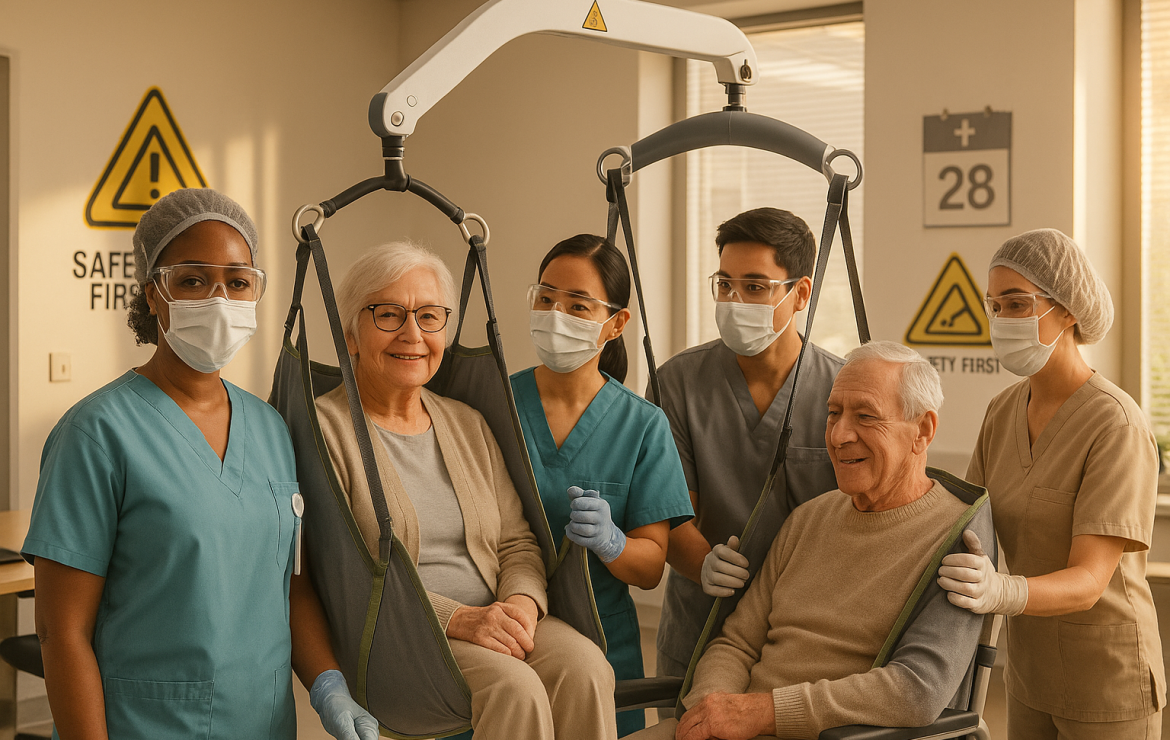
World Day for Safety and Health at Work: Protecting Nurses and Aged Care Workers
Introduction
Spotlighting a Crisis We Can No Longer Ignore
Across the world, headlines reveal a stark reality: violence against nurses is rising, burnout levels remain dangerously high, and aged care providers continue scrambling to fill shifts amid persistent staffing shortages. Stories of nurses injured during routine care, aged care workers collapsing from exhaustion, and facilities closing due to workforce strain have become disturbingly common. These trends underscore a global workforce under unprecedented pressure—one that desperately needs safer, healthier working conditions.
Why World Day for Safety and Health at Work Matters
Observed annually on April 28, World Day for Safety and Health at Work aims to prevent occupational injuries, diseases, and fatalities by promoting a culture of safety across all industries. Established by the International Labour Organization (ILO) in 2003 and aligned with Workers’ Memorial Day (since 1996), it has evolved into a global call to action to protect workers from preventable harm.
A New Urgency for 2025–2026
In today’s environment, the observance has taken on a new level of urgency—especially for nursing and aged care. Escalating workplace violence, worsening burnout, and chronic staffing shortages have created a perfect storm threatening both worker well‑being and the quality of care for older adults. In 2025–2026, focusing on safety in these fields is not simply important—it is essential for sustaining the entire care system.
Background and Context
How the Observance Began
World Day for Safety and Health at Work originated in 2003 as part of the ILO’s Global Strategy on Occupational Safety and Health. Its purpose was to elevate safety standards worldwide and recognize workers harmed or lost due to unsafe conditions. Its alignment with Workers’ Memorial Day—which has been observed since 1996—strengthened this dual mission of remembrance and prevention.
How Its Focus Has Evolved
Initially centered on high‑risk industries such as construction and mining, the observance has shifted in recent years as healthcare incidents climbed globally. Long-term care, in particular, has emerged as one of the most hazardous fields due to a combination of physical demands, emotional strain, and increasingly volatile patient interactions.
Why It Matters More Now
Post-pandemic conditions magnified existing vulnerabilities. Staffing shortages escalated, workloads increased, and rates of aggression toward healthcare workers surged. Reports show considerable rises in burnout and mental health issues among nurses and aged care staff. These factors collectively make workplace safety not just a compliance issue, but a survival issue for the workforce and the residents they serve.
Why Safety and Health at Work Is Critical in Nursing and Aged Care
Nurses and aged care workers operate in environments full of strain—physically, emotionally, and psychologically. The risk factors are clear and persistent.
Physical strain remains widespread due to repetitive lifting, repositioning, and mobility support. Without adequate lift equipment or staffing, musculoskeletal injuries become inevitable.
Workplace violence is now one of the most alarming risks. Over one‑third of nurses report experiencing physical violence, and healthcare accounts for 73% of all nonfatal workplace violence injuries in the U.S. These incidents often occur during routine interactions, leaving caregivers traumatized or unable to continue working.
Burnout and emotional exhaustion are compounded by persistent staff shortages, excessive workloads, and the emotional complexity of caring for highly dependent patients. These factors drive turnover and exacerbate the recruitment crisis—creating a cycle of strain that is difficult to break without systemic change.
Latest Statistics and What They Reveal
Recent data paints a sobering picture of aged care workforce conditions:
- Nursing homes added 40,700 jobs in 2025, averaging 3,400 per month. While 62% of providers reported workforce improvements, staffing levels remain 1.7% below pre‑2020 numbers, and 90% still struggle with recruitment.
- Residents receive an average of 3.85 hours of care per day, with RN time at only 0.68 hours—down 7% since 2015.
- 27% of facilities were cited for severe deficiencies in 2025, indicating risks to residents and staff.
- Burnout affects 62% of nurses, and 65% report high stress.
- WHO and ILO report 1.88 million global work-related deaths, underscoring the far-reaching consequences of poor workplace safety.
These figures illustrate a system under strain and demonstrate why safety must be prioritized across every level of care.
Expert Opinions
Healthcare leaders and global organizations echo the urgency of the moment:
Clif Porter, AHCA CEO (2026) stated: “We are incredibly encouraged by the positive trends in the nursing home workforce in 2025, but addressing the needs of an aging population requires much stronger policy support.”
WHO and ILO emphasize that organizational policies and early detection systems are essential for preventing workplace injuries and safeguarding staff.
Case Study: Agency Staffing Declines but Safety Concerns Persist
A notable improvement across nursing homes has been the 44% decline in temporary agency staffing since late 2022. This shift reflects investment in workforce stability and internal staff retention. But despite these efforts, a significant proportion of facilities—27% in 2025—still recorded serious deficiencies.
These deficiencies correlate strongly with resident harm and worker injuries. Simply put, staffing stability does not automatically solve safety problems without concurrent investments in training, equipment, and workplace culture.
Comparison Table: Staffing Changes and Deficiency Rates
| Year | Job Growth | Agency Use | Serious Deficiencies |
|---|---|---|---|
| 2022 | Declining workforce | High | 30% |
| 2023 | Slow recovery | Moderate | 29% |
| 2025 | +40,700 jobs | Down 44% | 27% |
Current Trends and Future Projections
Key trends shaping nursing and aged care include:
- Declining agency staffing, signaling better retention and fewer emergency hires.
- Incremental staffing improvements, though not enough to meet rising needs.
- Increasing adoption of lift technology, reducing musculoskeletal injuries and improving patient mobility support.
- Prioritization of mental health screening, recognizing burnout as a core safety risk.
- Calls for mandated staffing ratios, especially in long-term care.
- Cross-ministry collaboration, as recommended by WHO and ILO, integrating labor and health policy.
Looking ahead, the focus will shift toward sustainable workforce pipelines, standardizing safety protocols, and adopting more advanced technical supports.
How Unsafe Workplaces Affect Society and the Healthcare Industry
The consequences of unsafe workplaces extend far beyond staff injury:
- Turnover rates soar when staff feel unsafe.
- Facility closures—down 6% from 2015 to 2025—leave communities without essential care.
- For the 1.24 million U.S. nursing home residents, continuity of care becomes compromised when staff shortages disrupt daily routines.
Investing in safe environments directly improves recruitment, retention, and resident outcomes.
Comparisons With Related Observances
World Day for Safety and Health at Work differs from other healthcare observances:
| Observance | Primary Focus | Relevance to Nursing & Aged Care |
|---|---|---|
| World Day for Safety and Health at Work | Worker safety, prevention of occupational injuries | Addresses violence, burnout, lifting injuries |
| National Nurses Week | Recognition and appreciation | Morale boost but not safety‑specific |
| OSHA Bloodborne Pathogens Week | Disease exposure prevention | Focused on infection control |
| WHO Patient Safety Day | Reducing patient harm | Indirectly improves worker safety |
This observance uniquely targets occupational safety, making it highly relevant to frontline caregivers.
Current Controversies and Debates
Several debates shape today’s safety landscape:
- Staffing mandates vs. shortages—Can facilities meet requirements while struggling to hire?
- Ethical tensions—When staffing is inadequate, patient care quality declines and workers face higher risks.
- Resource constraints—Facilities argue standards cannot be enforced without adequate funding.
With 63% of nurses reporting unmanageable patient loads, these debates are urgent and unresolved.
How To Support Safety and Health Improvements in Nursing and Aged Care
Step-by-Step Guidance
- Conduct anonymous staff surveys to reveal unreported safety risks.
- Implement micro-learning safety modules, offering quick refreshers in infection control, lifting, and de-escalation.
- Create peer-support or de-escalation teams to respond to violent incidents.
- Rotate high-strain tasks to reduce cumulative physical burden.
- Integrate daily wellness check-ins into shift handovers to detect early signs of burnout.
Tips and Best Practices
Use shift-start safety huddles, ensure leadership presence on the floor, and maintain transparent, retaliation-free reporting pathways.
Common Mistakes to Avoid
Ignoring minor incidents, relying on technology without adequate training, and treating safety as a short-term campaign rather than a sustained culture.
Variations or Alternative Approaches
Introduce unit-specific safety champions, rotate assignments between high-intensity and low-intensity residents, and personalize safety protocols based on unit needs.
FAQ Section
How can small aged care facilities participate?
Does improved safety help recruitment?
Yes. In 2025, 62% of facilities reporting workforce improvement credited better safety cultures as a key factor.
How can residents’ families get involved?
Encourage reporting of unsafe conditions, join safety committees, and participate in facility safety events.
Are mental health risks considered occupational hazards?
Yes. WHO and ILO now emphasize mental health as a core component of occupational safety.
How is aged care different from hospitals regarding safety?
Aged care involves higher dependency levels, more lifting requirements, and chronic staffing shortages—factors that elevate risk.
Challenges and Solutions
Persistent Violence and Burnout
Solutions include de-escalation training, peer support teams, and more flexible scheduling.
Workforce Shortages
Retention incentives, pipeline programs, and supportive policy are essential.
Serious Safety Deficiencies
Facilities must invest in safety infrastructure, strengthen internal audits, and promote transparent reporting.
Ethical Considerations and Best Practices
Safety is a human right and must remain uncompromised. Facilities must balance resident needs with worker protection, ensure equitable workloads, and maintain ethical staffing practices—especially during shortages.
Success Stories and Testimonials
The AHCA’s recent workforce report highlights meaningful progress: A 44% reduction in agency staffing since late 2022 and 40,700 new jobs added in 2025.
As Clif Porter noted in 2026, these trends show promise—but continued investment is critical.
Tools, Equipment, and Resources
Facilities should adopt:
- Modern lift equipment to prevent musculoskeletal injuries
- Digital reporting platforms to capture safety incidents
- WHO’s nursing workforce indicators for benchmarking
- Internal dashboards for real-time staffing and safety trends
These tools support safety and strengthen decision-making.
Conclusion
World Day for Safety and Health at Work is more than a date on the calendar—it is a pivotal opportunity to highlight the urgent safety challenges in nursing and aged care. As the need for long-term care grows and the workforce faces mounting pressures, building safer, more supportive workplaces is essential not only to protect staff but to ensure high-quality care for older adults.
The future of aged care depends on creating environments where nurses and caregivers feel valued, protected, and empowered to deliver their best work.
Additional Resources
Related posts