Dementia Stigma 2025: 88% Face Discrimination Despite Awareness

Confronting Dementia Stigma in 2025: Why It’s Rising—and How We Can Change the Narrative
Introduction
Hook
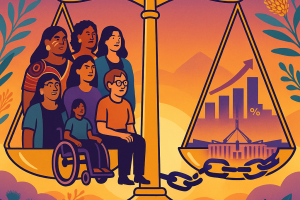
Discrimination against people living with dementia is not decreasing—it is accelerating. According to the World Alzheimer Report 2024, a staggering 88% of people with dementia globally experienced discrimination in 2024, up from 83% just a few years prior. This dramatic rise underscores a troubling reality: despite growing awareness campaigns, stigma is worsening, not improving.
Brief Overview
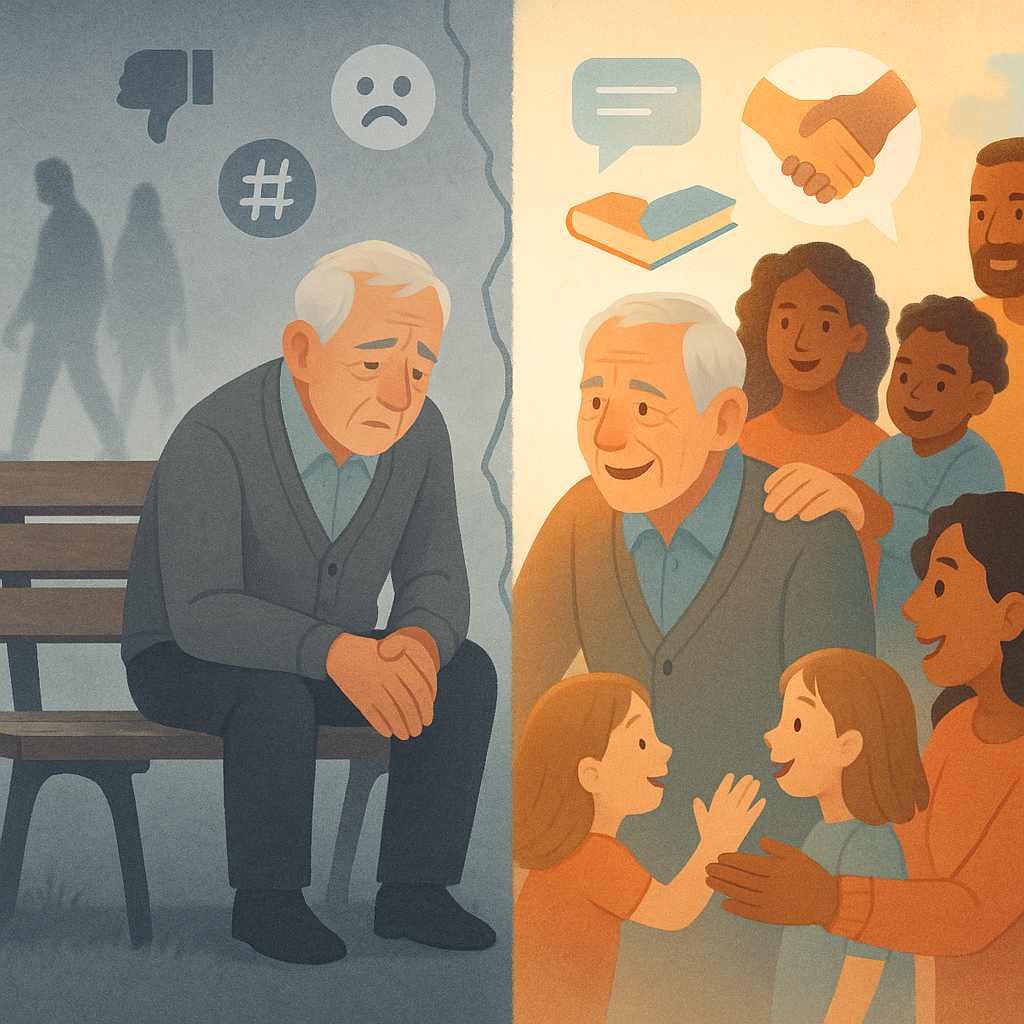
Dementia stigma refers to negative attitudes, prejudices, and discriminatory behaviors directed at people with dementia and their families. It manifests through social exclusion, harmful stereotypes, misdiagnosis, and a lack of meaningful support. The consequences are profound: delayed diagnosis, poorer mental health, caregiver isolation, and reduced quality of life.
Thesis Statement
In 2025, dementia stigma continues to be a pervasive global barrier. Fueled by longstanding misconceptions, culturally rooted beliefs, and social media misinformation, this stigma demands multi‑layered interventions across healthcare, policy, and public awareness efforts. Meaningful change will require coordinated global action grounded in empathy, evidence, and lived experience.
Background and Context
Historical Development
Historically, dementia was widely perceived as an inevitable part of aging. Pre‑2019 surveys revealed that many believed it was simply “normal aging,” contributing to persistent misunderstandings. Limited diagnostic capabilities and the absence of early awareness campaigns further entrenched these misconceptions. For decades, people living with dementia were marginalized due to a lack of public education and medical clarity.
Current Relevance
Despite increased visibility and global advocacy, stigma remains deeply woven into societal attitudes. In 2025, 74–84% of people worldwide still believe dementia is a natural part of aging, reinforcing harmful narratives that delay early detection and treatment. Stigma persists across high‑, middle‑, and low‑income countries alike, shaped by cultural beliefs, economic barriers, and media representation. These historical misconceptions continue influencing how communities interpret dementia today—often with damaging results.
Main Body
Key Concepts
What Dementia Stigma Involves
Dementia stigma includes various forms of bias:
- Stereotyping: portraying dementia as a hopeless decline or a burden to society.
- Prejudice: fear-based avoidance, infantilization, or assuming incompetence.
- Discrimination: systemic exclusion from healthcare, employment, and community spaces.
These dynamics significantly shape the lived experiences of individuals and caregivers.
Forms of Stigma
Dementia stigma exists in multiple layers:
- Public stigma: societal misconceptions, negative portrayals, and social avoidance.
- Internalized stigma: self-stigmatization leading to withdrawal and depression.
- Caregiver-associated stigma: shame or embarrassment experienced by caregivers.
- Structural stigma: healthcare inequities, poor physician training, and policy failures.
These categories intersect with real-world data, showing how deeply stigma influences health outcomes, economic security, and social well-being.
Latest Statistics
Global and National Data Snapshot (2024–2025)
| Statistic | Figure | Source |
|---|---|---|
| Global discrimination rate | 88% | World Alzheimer Report 2024 |
| Belief that dementia is normal aging | 74–84% | World Alzheimer Report 2025 |
| Caregivers reporting isolation | 65% | Dementia Australia 2025 |
| Increase in depression risk due to stigma | 2.3x | Lancet Psychiatry 2025 |
| Americans aged 65+ with Alzheimer’s dementia | 7.2 million | Alzheimer’s Association 2025 |
| US dementia care costs (2025) | $384 billion | Alzheimer’s Association 2025 |
These numbers reveal not only the scale of the challenge but the urgent need for comprehensive solutions.
Expert Opinions
Leading voices in dementia research warn that awareness alone is insufficient.
- Dr. Sara Evans‑Lacko (LSE) emphasizes that discrimination is rising even as awareness increases:
“Raising awareness alone is not enough.”
- The STRiDE Project (2025) reports that social media drives misinformation and narratives that devalue those living with dementia.
- A 2025 Frontiers review highlights that physician education significantly reduces stigma and improves care quality.
These expert insights point toward the need for structural change, not merely public messaging.
Case Study: Social Media Narratives
A 2025 analysis of 1,981 X (Twitter) posts during World Alzheimer’s Month revealed troubling themes:
- Portraying dementia as a societal burden
- Calls for euthanasia
- Persistent stereotypes and misinformation
- Counter-stigma advocacy attempting to shift the narrative
This case demonstrates how social media amplifies harmful discourse, accelerating stigma faster than traditional public health messaging can counter it.
Current Trends and Future Outlook
Several major trends define the landscape in 2025:
- Stigma is rising especially fast in low-income countries.
- Misleading portrayals on social media are spreading rapidly.
- Acceptance of involuntary care home placement has jumped to 33%, a dramatic increase from 9% in 2019.
- Global dementia cases are expected to double by 2045, intensifying the pressure on healthcare and social systems.
These shifts demand proactive planning to protect autonomy, dignity, and community inclusion.
Impact Analysis
Societal Impacts
Stigma leads to social exclusion, delayed diagnosis, reduced community participation, and caregiver isolation. People often avoid seeking help due to fear of judgment.
Economic Impacts
In the United States alone, dementia-related care costs are projected to reach $384 billion in 2025, with caregivers losing an estimated $8 billion in earnings due to reduced work capacity and stress.
Healthcare Impacts
Stigma drives diagnostic delays, limits access to quality care, and exacerbates healthcare inequities. Many physicians report insufficient training, leading to miscommunication and misdiagnosis.
Comparisons with Related Stigmas
Comparative Table: Dementia vs. Mental Health, Aging, and Disability Stigma
| Category | Dementia Stigma | Mental Health Stigma | Aging Stigma | Disability Stigma |
|---|---|---|---|---|
| Global prevalence | Extremely high (88%) | High but declining in some regions | Increasing | Persistent |
| Dominant narrative | Burden, decline | Instability, incompetence | Frailty | Limitations |
| Intervention progress | Slow | Moderate | Slow | Moderate |
| Unique challenge | Strong link to aging misconceptions | Cultural variance | Youth-centered societies | Structural exclusions |
Dementia stigma stands out because of its rapid growth and intense “burden” framing.
Controversies or Debates
- Awareness campaigns sometimes unintentionally reinforce fear by highlighting late-stage symptoms.
- Social media debates about euthanasia are increasingly linked to negative portrayals of dementia.
- Healthcare system barriers persist as many physicians resist or lack access to specialized training.
These debates show the complexity of addressing stigma in modern digital and healthcare environments.
How to Reduce Dementia Stigma
Step-by-Step Instructions
- Shift everyday language to emphasize personhood rather than condition.
- Encourage intergenerational interactions to normalize conversations about cognitive health.
- Promote community-based workshops that create dementia-friendly environments.
Tips and Best Practices
Share stories highlighting lived experiences rather than focusing solely on symptoms. Avoid metaphors that dramatize cognitive decline.
Common Mistakes to Avoid
Do not treat dementia as a single uniform condition or speak for people with dementia without consultation.
Variations or Alternative Methods
- Workplaces can offer confidential support pathways.
- Schools can add brain-health literacy to their curriculum.
Frequently Asked Questions
Can a person with dementia participate in decision-making?
Yes. Supported decision‑making models help people remain active participants even in mid stages.
Do cultural beliefs shape dementia stigma?
Absolutely. In some regions, dementia is seen as spiritual failure, increasing exclusion.
Is self-stigma common?
Yes. Internalized stigma often leads to withdrawal and worsens mental health outcomes.
Why is social media increasing stigma?
Algorithms amplify sensational content faster than evidence-based resources can counteract it.
Do supportive communities make a difference?
Yes. Engagement programs have reduced caregiver isolation by 20% in Australia.
Challenges and Solutions
Challenges
Misinformation, cultural taboos, and healthcare communication barriers all fuel stigma.
Solutions
Implement culturally sensitive programs, strengthen media guidelines, and include lived experience in policymaking.
Ethical Considerations
Ethics demand protection of autonomy, particularly amid rising acceptance of involuntary institutionalization. Media portrayal must avoid reinforcing devaluing narratives or coercive policy arguments.
Success Stories
Dementia Australia’s 2025 programs reduced caregiver isolation by 20%, demonstrating the power of community engagement to counter stigma.
Tools and Resources
- ADKS: Alzheimer’s Disease Knowledge Scale
- DNS: Dementia Negative Stereotype Scale
- GPACS‑D: Measures physician competence in dementia care
Digital platforms now also analyze real-time social media stigma trends.
Conclusion
Recap
Stigma surrounding dementia remains alarmingly high in 2025. Misconceptions, social media algorithms, and healthcare system failures all contribute to rising discrimination.
Final Thoughts
Reversing these trends requires a global commitment to dignity, inclusion, and evidence-based interventions. Through education, community engagement, and policy reform, we can reshape the narrative around dementia.
Additional Resources
- World Alzheimer Report 2024
- World Alzheimer Report 2025
- BSN Australia 2025 Analysis
- JMIR 2025 Social Media Study
- Frontiers 2025 Physician Training Review
These resources offer valuable insights for anyone seeking to better understand dementia stigma and contribute to meaningful change.
Related posts