International Women’s Day 2026 Australia: Balance the Scales

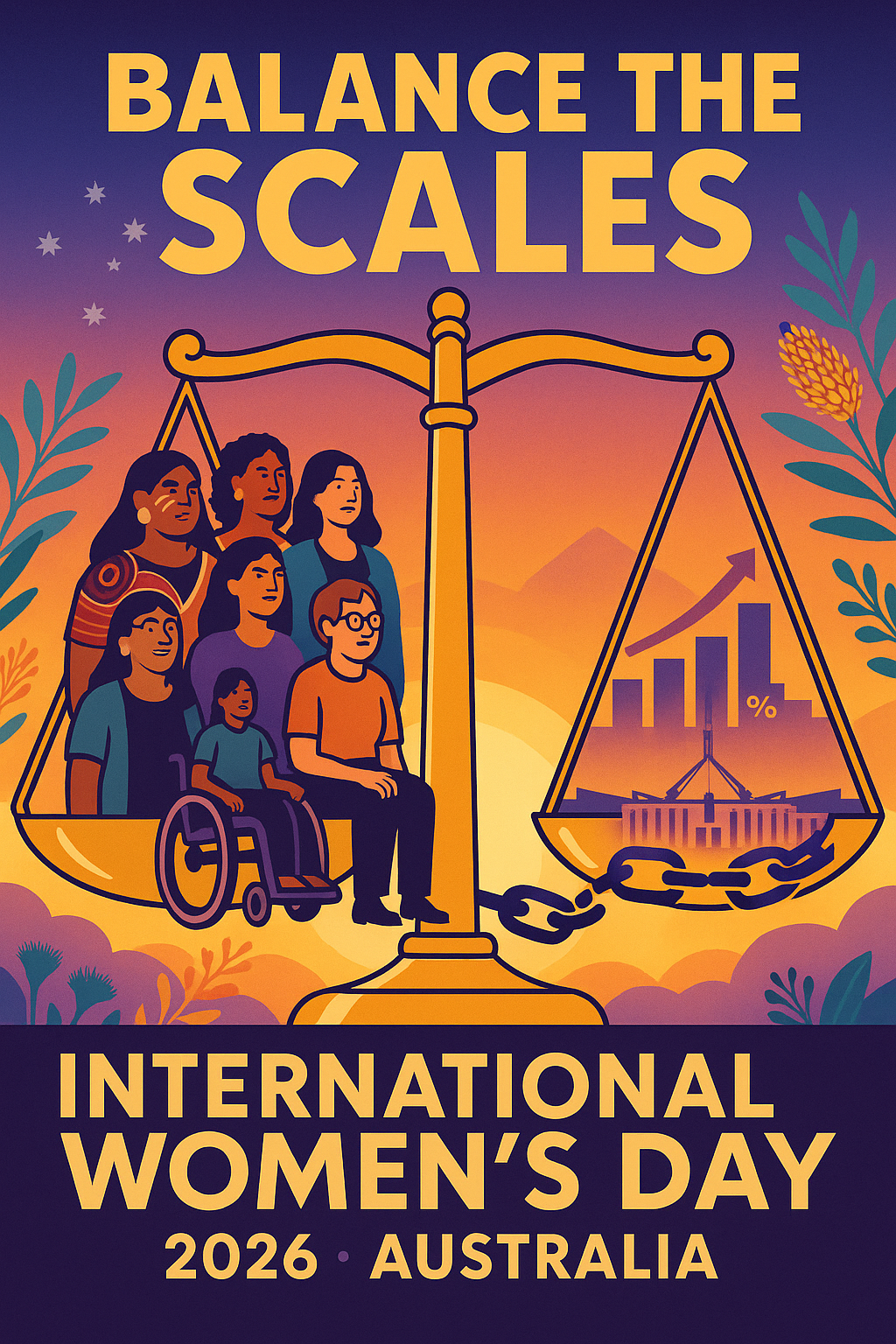
International Women’s Day 2026 in Australia: Balancing the Scales for a Fairer Future
Introduction
A Moment That Matters: Why IWD 2026 Demands Our Attention
International Women’s Day (IWD) 2026 arrives at a critical moment for Australia. This year’s theme, “Balance the Scales,” signals a bold national call to confront persistent inequalities—particularly in justice, safety, and economic participation—while momentum for gender equality accelerates globally. As Australia reaches some of its highest-ever achievements in women’s workforce participation and political representation, the urgency of the theme underscores that progress remains uneven and fragile.
Australia’s Evolving Role
IWD has been observed globally for 115 years, transforming from labour activism to a comprehensive movement advocating for justice, equality, and human rights. In Australia, 2026 stands out as a year marked by record-breaking milestones, innovative policy reforms, and persistent structural challenges. From rising representation of women in Parliament to continued concerns about gender-based violence, IWD serves as both celebration and reality check.
Thesis
IWD 2026 is a pivotal moment for Australia—a time to honour the gains achieved, acknowledge the inequalities that endure, and mobilise collective action to create gender-equal systems that truly balance the scales.
Background and Context
How IWD Began: A Century of Advocacy
International Women’s Day began in 1911 and has evolved dramatically over more than a century. Australia’s first IWD march took place in 1928 in Sydney, where women demanded equal pay, fair working hours, and economic rights—principles that continue to shape the movement today. The early focus on labour rights expanded into broader advocacy for political representation, freedom from violence, and gender equality across all spheres.
Why IWD Still Matters in 2026
Despite modern advancements, IWD remains a crucial day of advocacy. Key issues still affecting women in Australia include:
- High levels of gender-based and intimate partner violence
- An ongoing gender pay gap of 11.6%
- Unequal distribution of unpaid care work
- Structural inequities in justice systems
Australia’s recent climb to 13th place globally for gender equality—its highest ranking ever—demonstrates progress, yet also highlights how much remains to be done.
Transitioning to Today
Understanding this historical and social context sets the stage for examining the 2026 theme, “Balance the Scales,” and its implications for modern Australia.
Main Body
Understanding the Core Theme
What “Balance the Scales” Really Means
The theme reflects a national commitment to ensuring that every woman and girl—regardless of identity, background, or ability—has equitable access to justice, safety, and opportunity. It represents both a metaphor and a mandate for systemic reform.
Justice Systems and Institutional Equity
UN Women Australia emphasises that balancing the scales requires transforming justice systems that too often fail women. Barriers such as inaccessible legal services, inconsistent policing responses, and cultural biases disproportionately harm women from marginalised communities.
Recognising Diverse Experiences
“Balance the Scales” acknowledges that gender inequality is not monolithic. First Nations women, trans women, women with disabilities, refugee women, and women in rural areas experience unique barriers requiring tailored solutions.
Latest Statistics (2025–2026)
Workforce and Social Equality Snapshot
Below is a simplified table comparing the latest available data.
| Indicator | 2025 | 2026 |
|---|---|---|
| Women’s workforce participation | 63.1% | 62.9% |
| Gender pay gap | 11.8% | 11.6% |
| Women in Parliament | 49.6% | 49.6% |
| Male workforce participation | ~71% | ~71% |
| Unpaid care burden on women | High | High |
| Gender-based violence | Widespread | Widespread |
These numbers highlight two truths: progress is happening, and inequality persists.
Expert Opinions
Simone Clarke on Systemic Transformation
Simone Clarke, CEO of UN Women Australia, states: “Balance the Scales is a promise for every woman and girl to be safe, heard and free to shape her own future … We are calling on Australians to join a movement for real action—to transform our justice systems and amplify marginalised voices.”
Youth Council Call for Cultural Change
A Youth Council member reflected: “Women shouldn’t have to change the way they walk in the world to avoid violence. Accountability is extremely important.”
Case Studies and Real‑World Applications
“Working for Women”
The Australian Government’s long-term strategy focuses on five priority areas including economic equality, health, safety, and leadership.
Gender‑Responsive Budgeting
This structural tool assesses how fiscal decisions affect women and ensures budgets actively address gender disparities.
School and Community Programs
Inclusive education programs now integrate intersectional teaching, promoting respect, representation, and safety for all gender identities.
Current Trends and Future Outlook
Intersectionality and Trans Inclusion
Organisations increasingly highlight trans inclusion as an essential aspect of gender equality.
Women’s Influence in Economic Policy
More women are shaping economic reform, resulting in policies that better address the realities of unpaid care, workforce barriers, and cost of living pressures.
Justice Reform
The national messaging around IWD 2026 indicates growing momentum for justice reforms that centre women’s safety and access.
Impact Analysis
Societal Impact
The theme has sparked nationwide conversations about justice, safety, and inclusion. Social media movements and community forums show increasing public engagement.
Industry Impact
Workplaces are adopting gender equity standards, reviewing pay structures, and investing in cultural training.
Public Sector Impact
New expectations around safety and accessibility require strict compliance from government-funded organisations.
Related Approaches and How They Compare
Year-round gender equality initiatives build systemic change, while intersectional justice movements address multiple forms of oppression. Economic empowerment strategies deliver measurable outcomes but can overlook social barriers. The holistic nature of IWD brings these strands together.
Current Debates and Controversies
Trans Inclusion
The debate continues, but leading experts argue that inclusive movements strengthen gender equality rather than dilute it.
Pace of Progress
While workforce and political representation gains are notable, slow progress in safety and unpaid care remains a concern.
Expanding vs. Diluting Advocacy
Some fear that broadening IWD’s scope weakens focus, while others believe expansion reflects modern realities.
How to Make IWD 2026 Meaningful
Step-by-Step Guide
Organisations can:
- Plan events aligned with the “Balance the Scales” theme
- Include diverse speakers and lived-experience experts
- Conduct workplace audits on safety, pay gaps, and inclusion
- Partner with community organisations for long-term initiatives
Tips and Best Practices
Sustainable impact comes from follow-through—tracking progress, updating policies, and embedding gender equality year-round.
Common Mistakes
Avoid tokenism, performative branding, lack of accessibility, and one‑day-only engagement.
Alternatives
Month-long programs, community art installations, youth-led dialogues, and cross-sector partnerships can diversify impact.
Frequently Asked Questions
How can men support IWD meaningfully?
Men can participate by challenging sexist behaviour, sharing care responsibilities, and advocating for systemic change.
What barriers impact rural and remote women?
Limited access to health services, legal assistance, employment opportunities, and connectivity disproportionately affect these communities.
How can small businesses participate with limited budgets?
They can conduct staff workshops, share educational resources, review internal policies, or partner with local community groups.
Why is workplace culture more important than events?
Events raise awareness; culture determines daily lived experience. Inclusive culture reduces harassment, increases retention, and improves wellbeing.
How do you introduce intersectionality to young people?
Use relatable examples, diverse literature, and open dialogue about fairness and identity.
Challenges and Solutions
Misunderstanding Inclusivity
Provide education and community discussions to clarify what inclusivity means and why it matters.
Policy–Practice Gap
Use implementation tools, accountability frameworks, and staff training to ensure policy commitments become real outcomes.
Maintaining Momentum
Track progress annually and integrate gender equality goals into strategic plans.
Ethical Considerations
Ensure culturally respectful storytelling, responsible discussions on gender identity, and critical reflection on systemic inequity. Prioritise voices from marginalised communities.
Success Stories
Parliament Nears Parity
49.6% of parliamentarians are women—Australia’s closest step to equal representation.
Gender‑Responsive Budgeting
Businesses and governments using gender-responsive budgeting have shown improved equity outcomes in hiring and pay.
Community Programs Showing Results
Violence prevention programs in schools and communities are reporting early behavioural and cultural shifts.
Tools and Resources
- Government gender-responsive budgeting toolkits
- UN Women Australia IWD hub
- Community organisation guides
- School educational frameworks on inclusivity
Conclusion
Australia has made remarkable progress in gender equality, yet persistent gaps in safety, economic participation, and justice require ongoing attention. IWD 2026’s theme, “Balance the Scales,” calls upon individuals, workplaces, and governments to transform celebration into action. By embedding lasting change, amplifying marginalised voices, and committing to justice and accountability, we can create a more equitable future for all women and girls.
Additional Resources
- Status of Women Report Card 2026
- UN Women Australia IWD 2026 materials
- Academic publications on gender equality reform
- Community advocacy directories
Related posts