No Labels, No Limits: March 1st Diversity Celebration Guide

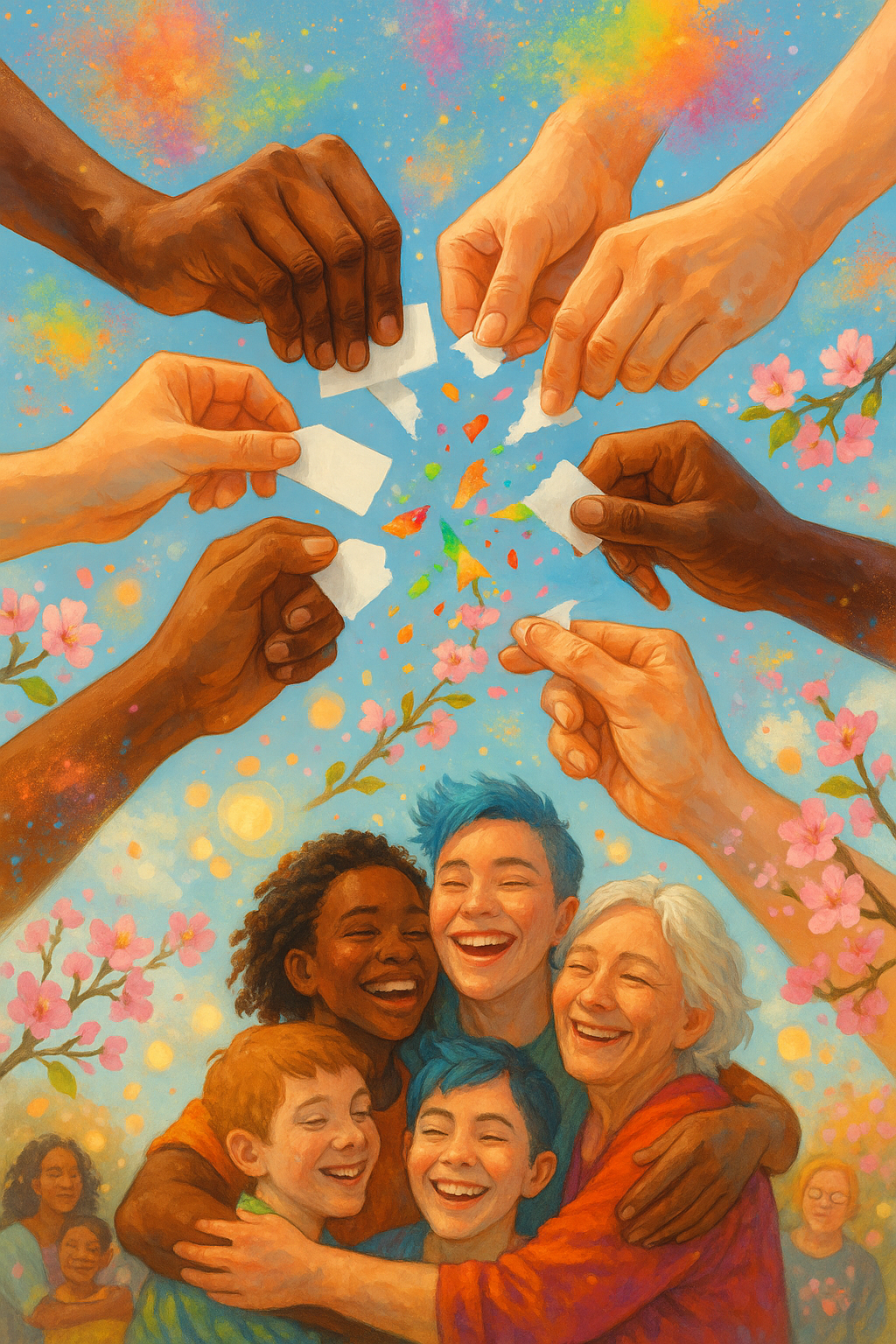
No Labels, No Limits: Celebrating Diversity on 1 March
A Comprehensive, Research‑Driven Guide to an Emerging Inclusivity Theme for 2026
1. Introduction
1.1 Hook
Imagine the month of March not beginning with a single holiday, festival, or commemorative date, but instead opening with a global invitation—a call to honour every identity without labels, boundaries, or expectations. March 1 becomes the doorway into a month defined by colour-rich cultural festivals, global equality movements, and increasingly intersectional conversations about what it means to belong.
1.2 Brief Overview
“No Labels, No Limits: Celebrating Diversity on 1 March” is not yet a formal observance. Instead, it emerges from the natural energy of March’s inclusivity‑centered calendar, where cultural renewal, gender equity, and community solidarity dominate the early weeks. By drawing from events such as Holi (March 4), International Women’s Day (March 8), and global DEI dialogues, this conceptual theme offers a fresh frame for understanding diversity: one that encourages connection without categorization.
1.3 Thesis Statement
March 1 can serve as a powerful symbolic starting point for a month‑long, label‑free celebration of humanity—grounded in historical movements, supported by modern DEI trends, and inspired by global observances that emphasize unity, authenticity, and limitless expression.
2. Background and Context
2.1 Historical Context
Label‑free diversity messaging has deep roots in global media and activism. One of the most influential examples is the Ad Council’s 2015 campaign Love Has No Labels, which showcased dancers, couples, and families behind an X‑ray screen to illustrate that “love knows no boundaries.” The project remains widely viewed, with over 469,000 YouTube plays since 2016, demonstrating enduring interest in the idea that labels limit understanding.
Cultural celebrations have also played a role in shaping the label‑free ethos. Holi—the Hindu festival of colours—symbolizes renewal, unity, and the dissolving of societal divisions. In many communities, Holi represents the moment when colour replaces category and play replaces hierarchy. (Citation: Diversity Calendar 2026)
These historical influences lay the groundwork for a modern reinterpretation: a day dedicated not to a specific identity group but to the dissolving of identity constraints altogether.
2.2 Current Relevance
March 2026 is filled with events that exemplify equity, solidarity, and cultural renewal. Holi and Hola Mohalla fall on March 4, International Women’s Day on March 8, and the UN Day to Combat Islamophobia on March 15—each pushing a global conversation on inclusion. (Citation: Diversity Calendar 2026)
Coupled with growing global emphasis on DEI, intersectionality, and psychological safety, these observances reinforce the idea that March 1 can serve as a meaningful “kickoff”—a reset that invites people into a month of unbounded celebration.
Transition: With this foundation in place, we can explore why a “No Labels, No Limits” mindset is particularly relevant today.
3. Main Body
3.1 Key Concepts
Label‑free inclusivity encourages acceptance without forcing individuals into predefined categories. It embraces the idea that:
- people can self‑identify without having labels imposed on them
- identities are fluid, overlapping, and deeply personal
- diversity is not something to sort or classify, but something to honour in its natural complexity
March 1 serves as an anchor date—not for a specific event but as a symbolic starting point for celebrating limitless diversity.
3.2 Latest Statistics
March 2026’s diversity events illustrate the month’s rich cultural landscape:
- Holi and Hola Mohalla: March 4
- International Women’s Day: March 8
- UN Day to Combat Islamophobia: March 15
(Citation: Diversity Calendar 2026)
Digital engagement also supports the endurance of label‑free messaging. The Love Has No Labels video retains more than 469,000 views years after its release—proof that the narrative of acceptance remains culturally resonant.
3.3 Expert Opinions
Pride Taranaki—a New Zealand initiative—states its mission as creating “a world where love knows no boundaries and authenticity is real.” This aligns directly with a no‑labels philosophy.
DC Mayor Muriel Bowser has also spoken about the role of diversity and inclusion ahead of the 2026 Semiquincentennial, noting that Washington, DC is “America’s front door” and a place that tells the story of the nation’s multifaceted identity.
3.4 Case Study: Pride Taranaki’s “Little Gay In” (March 8, 2026)
This gentle community stroll offers a safe, welcoming space for queer, gender‑diverse, and intersex people—free from expectations and labels. Rather than categorize participants, the event promotes fluid belonging and encourages individuals to express themselves authentically. (Citation: Pride Taranaki)
3.5 Current Trends and Future Outlook
Current trends show increasing integration of DEI narratives with cultural celebrations. Holi’s themes of renewal and unity, for example, complement the idea of shedding labels that restrict personal expression.
Looking ahead, more hybrid (virtual and in‑person) inclusion events are expected, especially as public discourse around global ceremonies—including the Olympics—continues to reshape expectations of inclusivity.
3.6 Impact Analysis
Social impacts include strengthened empathy, deeper understanding across cultural differences, and improved community cohesion. In industries like event planning and tourism, inclusive programming is becoming standard—illustrated by Washington, DC’s forward‑looking 2026 festival strategy.
3.7 Comparison Table
| Theme/Event | Focus | 2026 Date | How It Differs From “No Labels, No Limits” |
|---|---|---|---|
| Love Has No Labels | Media campaign promoting empathy | Ongoing | Ad‑driven; not tied to March’s calendar |
| Pride Taranaki | Queer inclusivity and authenticity | March 8 | Community-centered rather than global |
| Holi | Cultural renewal through colour | March 4 | Religious/cultural origins rather than universal DEI |
3.8 Controversies
Large events, such as the 2026 Olympics, have faced backlash over symbolism, raising ongoing debates about diversity representation. The political organization “No Labels” also creates confusion, sometimes overshadowing DEI‑focused interpretations of the phrase.
Transition: With conceptual depth established, we now explore practical ways to bring “No Labels, No Limits” to life.
4. How To Celebrate or Implement “No Labels, No Limits”
4.1 Step‑by‑Step Guide
- Assess your community’s unique diversity landscape.
- Create activities that foster interaction without identity grouping.
- Use symbolic elements—colour, storytelling, shared rituals—derived from early March traditions without replicating them.
- Encourage open expression and self‑defined identities.
- Gather feedback for improvement and reflection.
4.2 Tips and Best Practices
Use invitation‑based rather than categorization‑based language. Design open formats where participants choose how to express themselves.
4.3 Common Mistakes
Over‑theming events to mimic established festivals can feel culturally appropriative. Likewise, dividing participants into groups—by gender, background, or role—contradicts the no‑labels philosophy.
4.4 Variations
Workplaces may prefer quiet reflection activities or storytelling circles. Schools may opt for art installations where students define inclusion in their own words.
Transition: Before concluding, it helps to address common questions about this emerging theme.
5. FAQ Section
5.1 How can organizations participate without appropriating cultural events?
By choosing neutral themes such as storytelling, shared activities, or dialogue rather than borrowing elements directly from cultural festivals.
5.2 What if some people prefer identity labels?
A label‑free celebration doesn’t erase self‑identification. Instead, it removes imposed labels while honouring personal choice.
5.3 Can corporate environments adopt a “No Labels” theme?
Yes. Many companies already use inclusive meeting formats, open‑agenda collaboration days, and employee‑driven discussions that fit the model.
5.4 How do we measure success?
Through participant feedback, emotional‑safety assessments, and engagement metrics (e.g., attendance, discussion quality).
5.5 How is label‑free different from “colorblindness”?
Label‑free inclusion does not ignore identity. Instead, it respects identity without forcing people into reductive categories.
Transition: While the concept is powerful, its implementation has challenges.
6. Challenges and Solutions
6.1 No established March 1 event
Solution: Frame March 1 as a symbolic kickoff for a diversity‑rich month rather than a standalone holiday.
6.2 Confusion with the political “No Labels” group
Solution: Use DEI‑specific branding, emphasizing humanity, community, and authenticity.
6.3 Inclusivity fatigue
Solution: Create low‑pressure, low‑cost participation options that prioritize comfort over expectation.
7. Ethical Considerations and Best Practices
Avoid performative actions that mimic commercial DEI efforts without real community engagement. Ensure marginalized voices play meaningful roles in planning. Avoid borrowing elements from cultural festivals without context or respect.
8. Success Stories / Testimonials
8.1 Pride Taranaki Community Stroll
The “Little Gay In” demonstrates how grassroots gatherings can foster label‑free belonging within LGBTQIA+ communities. (Citation: Pride Taranaki)
8.2 National Scrollathon (Kennedy Center, 2026)
More than 250,000 participants contributed to a collaborative artwork expressing diverse American identities—an example of large‑scale, inclusive expression. (Citation: DC Semiquincentennial)
9. Tools, Equipment, and Resources
- Ad Council’s downloadable media assets for acceptance campaigns
- Platforms for organizing inclusive art installations
- Virtual collaboration tools for hybrid events
10. Conclusion
10.1 Recap of Key Points
March 1 offers a meaningful opportunity to embrace a month of limitless diversity. From the history of label‑free messaging to modern DEI trends and global cultural events, the foundations for this emerging celebration are strong.
10.2 Final Thoughts
In a world eager for connection and authenticity, March 1 can become a symbolic moment to honour humanity without limits, without categories, and without hesitation. A day—and month—to say: We are more than the labels placed upon us.
11. Additional Resources
Related posts